

Fashion Marketing in the Digital Age — From Runway to E-commerce
- Alanna Witherspoon
- Sep 15, 2025
- 1 min read

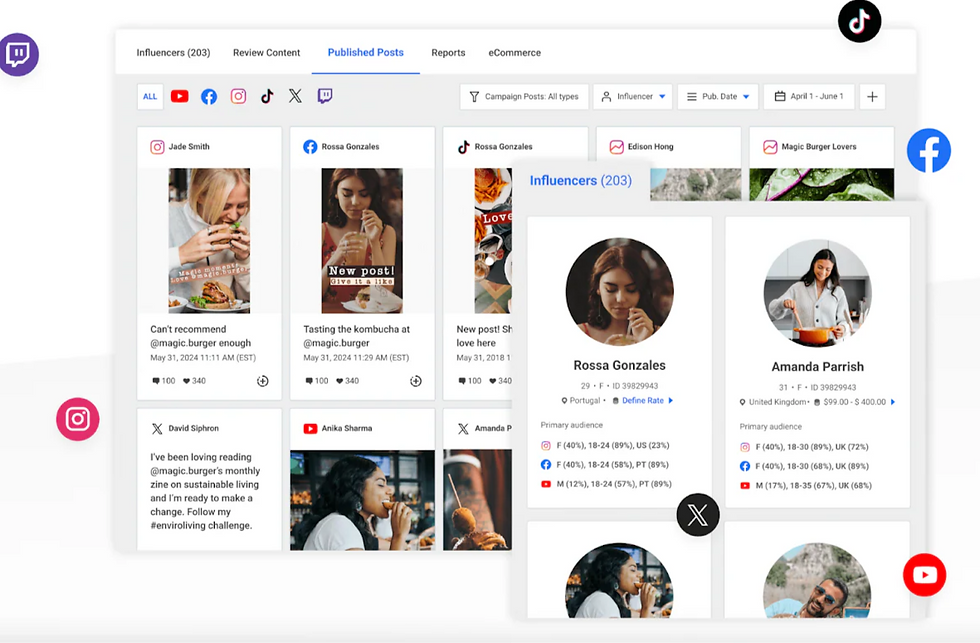
The fashion industry has undergone a seismic shift in the past decade. Where runway shows once dictated trends, now TikTok trends dictate what brands put on shelves. Digital has changed the rules of fashion marketing forever.
Shifts in the Industry
From Gatekeepers to Creators: Once, only Vogue editors had the power to influence. Now, a 19-year-old on TikTok can spark a global trend overnight.
From Seasonal Drops to Fast Content: Fashion weeks still matter, but consumers now expect constant newness online.
From Physical to Digital Runways: Virtual fashion shows and digital clothes (for avatars in games or AR apps) are becoming mainstream.
Digital Marketing Must-Haves for Fashion
Omnichannel Experience: Your Instagram, website, and email campaigns should feel seamless.
SEO for Fashion Brands: Use keywords like “dog-inspired graphic tees” or “eco-friendly streetwear” to be discoverable.
AR Try-On Tools: Wix now supports AR integrations where customers can “see” clothes on themselves before purchase.
Email Storytelling: Don’t just send promos. Create editorial-style emails like a mini-magazine.
Analytics-Driven Decisions: Use Google Analytics or Wix analytics to see which products and campaigns truly drive conversions.
Case Study: Gucci
Gucci has embraced digital-first marketing by collaborating with Roblox, creating digital sneakers, and running bold campaigns across platforms. It proves that even luxury can thrive in digital spaces.
Takeaway: The fashion marketing playbook has changed. To stay relevant, brands must merge creativity with digital innovation while blending inspiration with technology to meet consumers where they already are: online.


Comments